

Double Pram Pushchair
Add a review FollowOverview
-
Founded Date July 3, 1986
-
Sectors Nursing
-
Posted Jobs 0
-
Viewed 12
Company Description
Five Killer Quora Answers On Pushchair
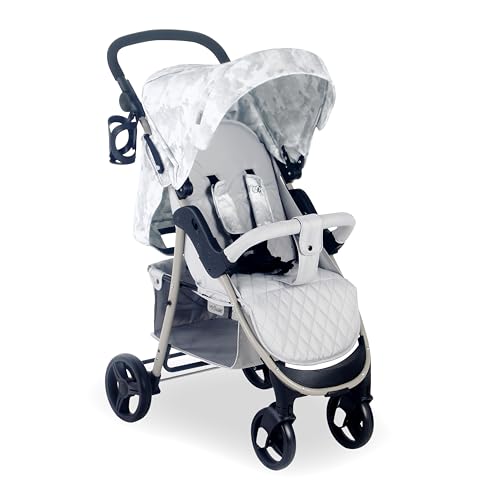
Understanding Prams and Pushchairs: A Comprehensive Guide for Parents
When it comes to picking the ideal mode of transportation for little ones, parents are often overwhelmed by the variety of choices readily available. Prams and pushchairs are amongst the most common options, and each has its own distinct functions dealing with different requirements. This short article dives deep into the world of prams and pushchairs shop, detailing their distinctions, advantages, downsides, and tips for choosing the best one for your household.
What is the Difference Between a Pram and a Pushchair?
In the beginning look, prams and pushchairs might appear similar, but they serve different functions based on a kid’s age and developmental phase. Below are the main distinctions:
| Feature | Pram | Pushchair |
|---|---|---|
| Age Range | Typically for newborns as much as 6 months | Ideal for children 6 months and older |
| Style | Flat, horizontal lying position for newborns | Upright seating position; more flexible and mobile |
| Usage | Primarily for strolling with infants | May consist of several seating options and configurations |
| Foldability | Frequently bulkier and less portable | Usually light-weight and foldable for easy transportation |
Types of Prams and Pushchairs
Choosing the best pram or pushchair can depend upon different elements, including the type, functions, and lifestyle of the household. Below are the primary types of prams and pushchairs available in the market:
Prams
- Conventional Prams: Designed for newborns, they often feature a deep and comfortable bassinet, making them perfect for young babies.
- Travel System Prams: These can transition from a bassinet to a toddler seat, often consisting of a baby vehicle seat for ease of travel.
Pushchairs
- Standard Pushchairs: Offer an upright seat and appropriate for older babies and toddlers. They typically feature reclining abilities.
- Umbrella Pushchairs: Lightweight and highly portable, these designs fold up compactly, making them ideal for travel.
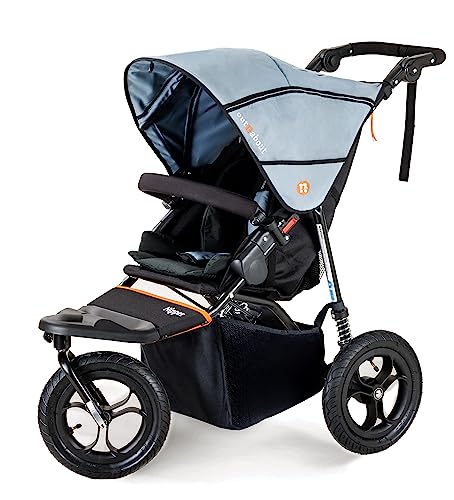
- All-Terrain Pushchairs: Designed for rugged landscapes, they include larger wheels and exceptional suspension systems for off-road capabilities.
Benefits and Disadvantages
Benefits of Prams
- Convenience for Newborns: Their flat, horizontal style is perfect for the healthy back advancement of infants.
- Stylish Designs: Many prams featured sophisticated aesthetics, interesting fashion-forward parents.
- Roomy: They tend to use a bigger space for infants to move comfortably.
Disadvantages of Prams
- Bulkiness: They can be heavy and hard to navigate, making them less hassle-free for public transportation or crowded spaces.
- Cost: Prams usually include a higher price tag compared to pushchairs.
Benefits of Pushchairs
- Mobility: Many pushchairs fold compactly and are lightweight, providing remarkable benefit for parents on the go.
- Flexibility: With multiple setups offered, pushchairs can match various phases of a kid’s growth.
- Much easier to Store: Their smaller sized size makes them much easier to keep in compact areas.
Disadvantages of Pushchairs
- Less Comfort for Newborns: Most basic pushchairs disagree for extremely young infants unless designed with a reclining function.
- Durability Concerns: Budget pushchairs might not endure comprehensive use compared to sturdier pram designs.
Tips for Choosing the Right Pram or Pushchair
Picking the ideal pram or pushchair needs careful consideration. Here are some crucial aspects to remember:
-
Age Appropriateness: Consider your kid’s age. A double pram and pushchair might be preferable for a newborn, while a pushchair might be chosen for an older child.
-
Lifestyle Compatibility:
- If you regularly travel or use public transport, a lightweight choice may be more hassle-free.
- For active households who take pleasure in outdoor activities, a durable, all-terrain pushchair could be beneficial.
-
Storage Needs:
- Think about where you’ll keep the pram or pushchair, as some models can use up significant area.
-
Budget Constraints: Prams can be costly, especially designer designs. Identify features that are essential to you before purchasing.
-
Safety Features: Always look for essential security features like straps, brakes, and durability when picking a pram or pushchair.
Frequently asked questions
1. At what age can my baby start using a pushchair?
Many pushchairs are appropriate for babies from six months, but some convertible designs can securely accommodate more youthful infants when used with a safety seat or bassinet accessory.
2. Can I take a pram or pushchair on public transportation?
A lot of public transportation systems accommodate prams and pushchairs, however it’s smart to examine specific policy standards ahead of time.
3. How can I maintain my pram or pushchair?
Regular cleaning, looking for wear and tear, and lubing moving parts will assist in preserving your pram or pushchair cheap‘s functionality and longevity.
4. Are travel systems worth the investment?
Travel systems can be a terrific financial investment for moms and dads who frequently travel, providing an all-in-one service from car to stroller. They offer benefit and ease of transition, especially for new moms and dads.
5. Are there prams and pushchairs with extra features?
Yes, many contemporary models feature features like cup holders, storage baskets, adjustable deals with, canopies for sun shading, and even folding systems that can be run with one hand.
Selecting between a pram and a pushchair is a decision that affects day-to-day parenting routines. By comprehending the distinctions, advantages, and appropriate options, households can make educated choices that balance with their way of life needs. Whether it’s a leisurely walk in the park with a pram or a daring outing with an all-terrain pushchair, the best choices typically cause valued memories and pleasing experiences for both parents and children.