

Back Door Installation Companies Near Me
Add a review FollowOverview
-
Founded Date November 15, 1949
-
Sectors Nursing
-
Posted Jobs 0
-
Viewed 17
Company Description
The 10 Most Terrifying Things About Qualified Back Door Installers
Qualified Back Door Installers: Ensuring Safety and Aesthetic Value
When it concerns enhancing the performance and appeal of a home, the installation of Back Door Installation Warranties doors is a pivotal consideration for property owners and home builders alike. Back entrances not only offer additional access to outside spaces but likewise act as a point of entry that can considerably affect the security and energy performance of a residence. As such, interesting qualified back door installers ends up being vital. This post talks about the importance of employing skilled professionals, the credentials to search for, the installation procedure, and the advantages it brings to house owners.
Why Choose Qualified Back Door Installers?
The installation of a back door is not merely a DIY job that can be taken lightly. Insufficient installation can lead to concerns such as security vulnerabilities, energy loss, and water damage. Here are a couple of reasons choosing qualified back door installers is crucial:
-
Expertise: Skilled installers are familiar with different door types, products, and the compatibility of various doors with diverse architectural designs. Their professional guidance helps house owners make informed decisions.
-
Security: Professional installation makes sure that the door is fitted securely and securely, minimizing possible security threats.
-
Compliance: Licensed installers follow local building regulations and guidelines, guaranteeing that installations depend on basic to avoid future legal issues.
-
Service warranty Protection: Many door manufacturers need a professional installation to maintain the product service warranty. Engaging a qualified installer can secure homeowners from costly repairs down the line.
Key Qualifications to Look For
When browsing for a qualified back entrance installer, homeowners need to consider the following credentials:
| Qualification | Description |
|---|---|
| Licensing | Guarantee the installer has the required licenses to run in your area. |
| Insurance coverage | Confirm that they carry liability insurance coverage and worker’s payment. |
| Experience | Try to find installers with a proven track record and years in the market. |
| Recommendations | Demand and inspect references or reviews from previous clients. |
| Accreditations | Look for any industry-related certifications that show competence. |
The Installation Process
The installation of a Best-Rated Back Door Installers entrance involves a number of actions, which can differ depending on the intricacy of the task and the kind of door being installed. Below is a general overview of a common installation process:
-
Consultation: The installer assesses the area where the door will be put and talks about style alternatives with the property owner.
-
Elimination of the Old Door: The old door and its frame are carefully gotten rid of, guaranteeing that no damage is done to surrounding areas.
-
Preparation: The opening for the new door is prepared. This may include modifications to the framing to make sure a correct fit.
-
Installation of the New Door: The new door is set up according to the manufacturer’s guidelines and building regulations. This includes securing it to the frame and guaranteeing it operates correctly.
-
Weatherproofing: Proper sealing and weatherstripping are applied to reduce drafts and avoid water seepage.
-
Ending up Touches: The installer will make final modifications, install hardware, and guarantee whatever is functioning correctly. A clean-up of the work area is also carried out.
Advantages of Hiring Qualified Installers
Employing qualified back door installers supplies various advantages:
-
Peace of Mind: Knowing that a professional is dealing with the installation lowers stress and anxiety over prospective issues down the line.
-
Time Efficiency: Professionals can finish the task more quickly, as they have the right tools and experience.
-
Quality Assurance: Qualified installers provide a higher quality of work, guaranteeing that the door operates properly and looks great.
-
Long-Term Savings: Although hiring a professional might have in advance expenses, the possible cost savings from preventing mistakes or damage, and improved energy efficiency make it a cost-effective option.
FAQs About Back Door Installation
Q1: How much does it cost to install a back entrance?A1: The cost can differ extensively based upon the type of door, products, and labor. Typically, installation expenses can vary from ₤ 500 to ₤ 1,500.
Q2: How long does it take to install a Back Door Installation Price door?A2: Most setups can be finished within a couple of hours, but more intricate tasks might take a full day.
Q3: What kind of back entrance is best for energy effectiveness?A3: Doors made from fiberglass or steel generally supply better insulation and energy efficiency than wood alternatives.
Q4: Can I install a back door myself?A4: While DIY installation is possible, it’s recommended to hire a qualified installer to make sure safety and compliance with local codes.
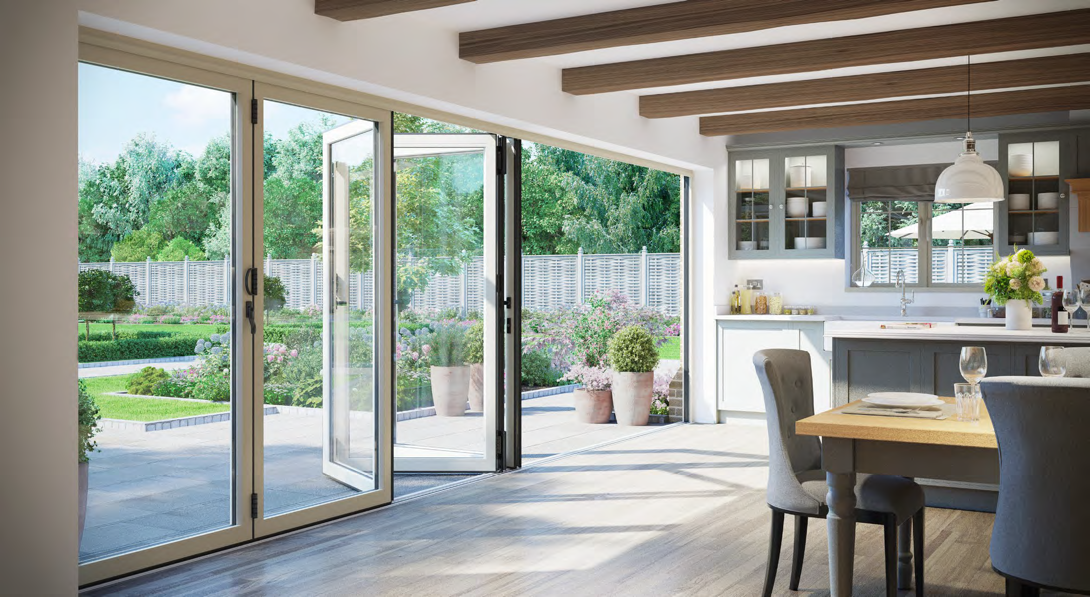
Q5: What should I do if my back door is not closing effectively?A5: If a door is not closing properly, it might be due to inappropriate installation or problems with the door frame. Consult a professional for a thorough assessment.
Selecting qualified back entrance installers is vital for the security, performance, and visual appeals of your home. Property owners should prioritize discovering trained professionals who can ensure proper installation and compliance with building policies. Purchasing professional installation not just boosts the functionality and security of the home but likewise supplies comfort, understanding that the door will perform efficiently for years to come. By following the laid out considerations and certifications, homeowners can make knowledgeable decisions that benefit their residential or commercial property in the long run.
