

Outdoor Walker
Add a review FollowOverview
-
Founded Date August 28, 1915
-
Sectors Nursing
-
Posted Jobs 0
-
Viewed 36
Company Description
20 Reasons To Believe Safe Walker Cannot Be Forgotten
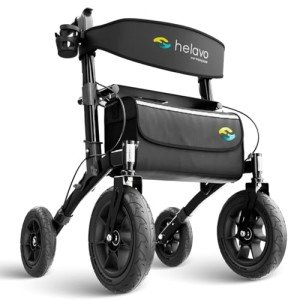
The Importance of Safe Walkers: Ensuring Safety and Independence for All
As our population ages, the requirement for mobility assistance becomes progressively apparent. Safe walkers, frequently described as walking aids or rollators, play a vital function in enhancing the safety and self-reliance of people, particularly the elderly and those with impairments. This post discusses the significance of safe walkers, their types, features to consider, and answers often asked concerns about their use.
Understanding Safe Walkers
A safe walker is a mobility gadget developed to assist individuals keep balance, stability, and self-confidence while walking. It offers support when passing through numerous terrains, using a much safer alternative to relying entirely on canes or crutches.
Types of Safe Walkers
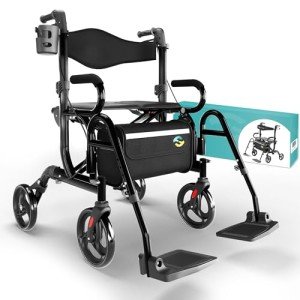
Safe walkers can be found in various kinds, each customized to satisfy different requirements. Here’s a table summarizing the main types of walkers offered in the market:
| Type of Walker | Description | Suitable For |
|---|---|---|
| Requirement Walker | Lightweight, basic structure, no wheels. | Users needing stability on flat surfaces. |
| Two-Wheeled Top Performance Walker | Features 2 front wheels; back legs are rubber. | People needing some mobility while still requiring support. |
| Four-Wheeled Walker (Rollator) | Equipped with 2 or Four Wheel Walker wheels, brakes, and a seat. | Users looking for mobility and the choice to rest. |
| Walkers with Seat | Similar to rollators but mainly intended for stability. | Those who might require regular rest stops. |
| Knee Walkers | Developed for individuals with leg injuries, permitting mobility while seated. | Perfect for post-surgery recovery. |
Secret Features of Safe Walkers
When picking a safe walker, numerous features should be thought about to ensure both safety and convenience. Below is a list of essential features to look for:
-
Weight Capacity: Choose a Top-Rated Walker that accommodates the user’s weight to guarantee stability and security.
-
Height Adjustment: Ideal walkers ought to have adjustable heights to provide a comfortable grip for the user.
-
Wheels: Opt for walkers with appropriate wheel sizes according to terrain; bigger wheels supply better mobility on irregular surfaces.
-
Brakes: A good walker must have user-friendly brakes to guarantee security during usage.
-
Foldability: A foldable design enables easy transport and storage.
-
Storage Options: Many walkers come with baskets or trays for carrying individual products, improving convenience.
-
Comfortable Grips: Ergonomic Walker handles can prevent pain and enhance control throughout usage.
-
Seat: If the walker includes a seat, it needs to be sturdy and comfortable for resting when required.
Benefits of Using a Safe Walker
Safe walkers offer various advantages that extend beyond mere mobility. Here are some benefits:
-
Enhanced Stability: Walkers offer strong support, minimizing the danger of falls, which are typical among seniors.
-
Enhanced Confidence: Using a walker can empower individuals to engage more actively in daily activities, promoting independence.
-
Exercise: Safe walkers motivate users to remain active, assisting preserve strength, flexibility, and coordination.
-
Social Inclusion: With increased mobility, individuals can participate more quickly in social gatherings and leisure activities.
-
Personalization: Many walkers enable for tailored modifications to fulfill particular health needs.
Frequently Asked Questions (FAQs)
1. How do I know if a walker is ideal for me or my liked one?
Figuring out the appropriate walker depends upon an individual’s mobility requirements, balance, and general health. Consulting a health care professional can supply individualized suggestions.
2. Is it necessary to utilize a walker inside along with outdoors?
Yes, a walker can be useful both inside your home and outdoors. It can boost stability on slippery floors or uneven outdoor courses, making it a versatile mobility aid.
3. Can I take my walker on public transport?
A lot of walkers are created to be Lightweight Rollator Walker and foldable, making them appropriate for public transport. Check with particular transportation services for their policies.
4. What is the typical cost of a safe walker?
Costs can differ based on the type and features. Requirement walkers can cost as low as ₤ 50, while advanced rollators can exceed ₤ 200.
5. How do I keep my walker?
Regular upkeep includes examining for loose screws, guaranteeing wheels are practical, and cleaning it to get rid of dirt or particles. Regular checks will prolong the life of the device.
The importance of safe walkers can not be understated. These mobility gadgets are essential for preserving an independent lifestyle, boosting security, and instilling confidence in users. With multiple alternatives readily available, discovering the best walker tailored to specific requirements can considerably improve the quality of life. Whether it’s for individual use or take care of a loved one, investing time in picking the suitable walker is an important action towards ensuring security and promoting an active lifestyle.