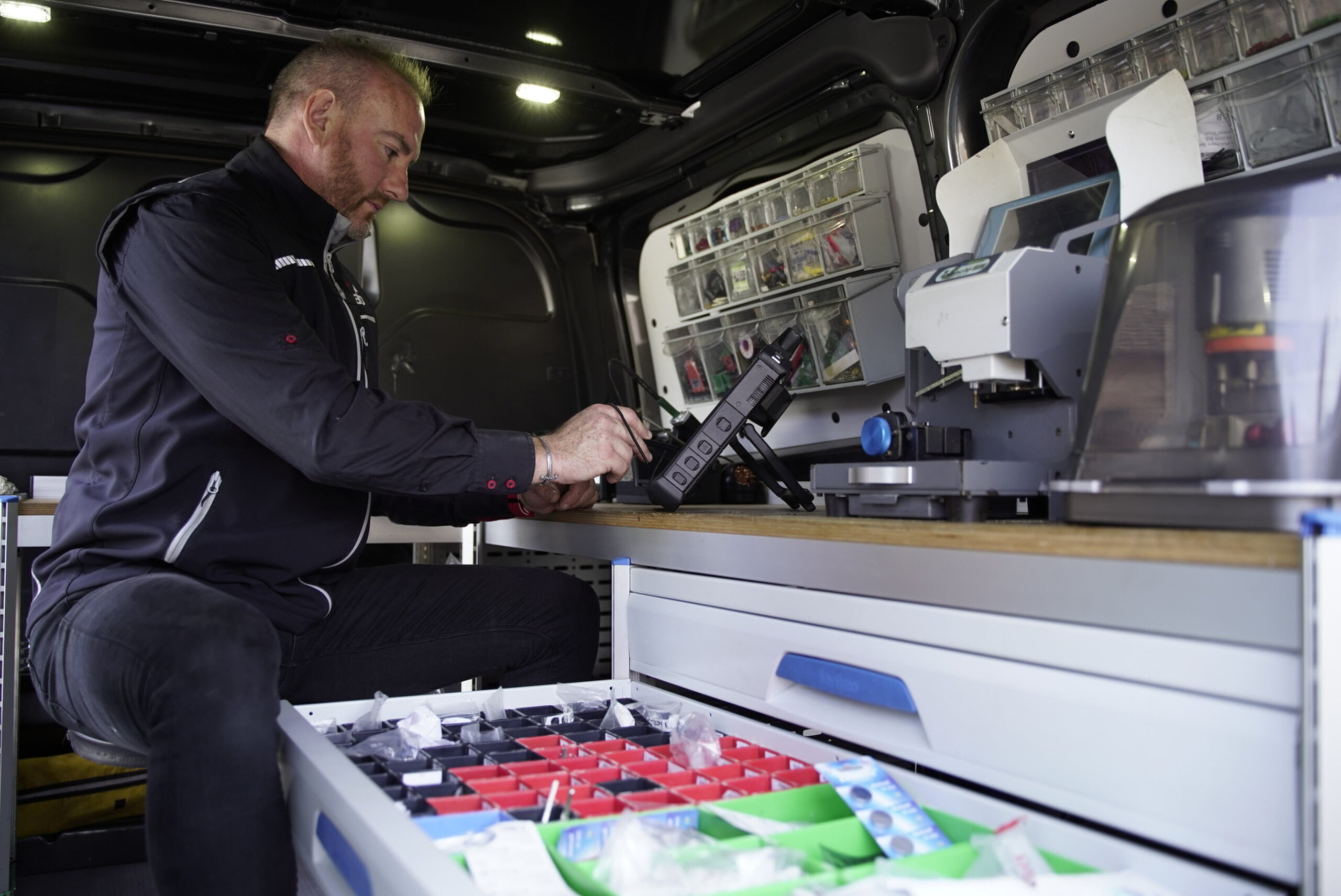
Car Fobs Replacement
Add a review FollowOverview
-
Founded Date September 29, 2015
-
Sectors Doctors
-
Posted Jobs 0
-
Viewed 62
Company Description
7 Things You’ve Never Known About Key Replace
Key Replacement: A Comprehensive Guide
In today’s hectic world, losing keys or having them end up being damaged is a common occurrence that can create considerable hassle. Whether it’s a car key, house key, or a digital key fob, the process of replacing lost or broken keys can be difficult. Nevertheless, this article aims to simplify the key replacement procedure, notifying readers about their choices, the actions to take, and tips to prevent future incidents.
Comprehending Key Replacement
Key replacement describes the process of obtaining a duplicate or replacement of a lost, taken, or harmed key. The technique and expense for changing keys differ based upon a number of factors, consisting of the kind of key, the complexity of the locking mechanism, and the locksmith or provider used.
Types of Keys
When going over key replacement, it’s vital to comprehend the various types of keys, which can generally be categorized as follows:
| Type of Key | Description | Typical Replacement Options |
|---|---|---|
| Standard House Key | Fundamental metal keys utilized for family doors | Regional locksmith professionals, hardware stores |
| Car Key | Keys developed for cars, might include transponder or smart keys | Dealer, locksmith concentrating on automotive keys |
| Electronic Key Fob | Digital keys used for keyless entry and ignition | Dealership, automotive locksmith, or electronic key fob replacement service |
| Master Key | A key created to open several locks | Locksmith services, can be personalized |
| Padlock Key | Particular keys for padlocks, usually basic sizes | Regional locksmith professionals, some hardware shops |
Steps to Replace Various Types of Keys
The procedure for key replacement can differ significantly based upon the kind of key. Below are the actions associated with replacing different types of keys.
Changing House Keys
- Recognize the Type of Key: Determine the key type and whether it is a standard or high-security key.
- Check Out a Local Locksmith or Hardware Store: Most standard keys can be duplicated rapidly at local stores.
- Provide the Original Key: If available, bring the original key for duplication. If it is lost, make sure to explain the style to the locksmith.
- Select the Right Material: Select the key material (e.g., brass, stainless steel) based on your requirements.
- Check the New Key: Before leaving, evaluate the brand-new key in the lock to guarantee it operates properly.
Changing Car Keys
- Recognize the Key Type: Determine whether it’s a traditional key, a transponder key, or a key fob.
- Contact the Dealership: For transponder keys or key fobs, it’s typically essential to go to the vehicle’s dealer.
- Offer Vehicle Information: Supply the vehicle recognition number (VIN) and proof of ownership.
- Programs (if necessary): Some keys need to be set to work with the car’s ignition system.
- Obtain a Backup: Consider acquiring an extra spare key to prevent future problems.
Changing Electronic Key Fobs
- Contact the Vehicle Manufacturer or Dealer: Most electronic key fobs should be sourced directly from the vehicle manufacturer or licensed car dealership.
- Protect VIN and Identification: Prepare paperwork to demonstrate ownership and the vehicle’s VIN.
- Setting Requirements: Be conscious that the replacement fob might require shows at the dealer.
- replacement key with chip; optimaplacement.com, Service: There are likewise independent services that can supply fob replacements and programming.
Tips to Prevent Future Key Losses
To decrease the possibilities of losing keys in the future, think about the following proactive methods:
- Key Tracking Devices: Attach a key tracker to your keys that can be kept an eye on through a mobile phone app.
- Designated Key Holder: Use a specific place in your house for placing keys regularly.
- Spare Copies: Always keep a spare copy of vital keys with a relied on pal or member of the family.
- Keychains: Use bright and distinct keychains to make it much easier to identify them.
FAQs About Key Replacement
-
What should I do if I lose my home key?
- Right away consider rekeying your locks if you’re concerned about security.
-
The length of time does it take to replace a car key?
- Replacement times can vary, however it usually takes 20 to 30 minutes, specifically if programming is needed.
-
Are all keys duplicable?

- Not all keys can be duplicated. High-security keys normally have constraints on duplication.
-
Can I replace my key myself?
- While you can develop duplicates of certain keys with DIY packages, it’s frequently advisable to look for expert assistance, especially for high-security or electronic keys.
Key replacement can frequently feel frustrating however understanding the process can ease stress and anxiety. By knowing the types of keys, the steps required to replace them, and preventative steps to prevent future losses, people can take proactive actions to secure their gain access to and security. With this information, managing key replacements will end up being a more straightforward job.