

Best Home Exercise Machine
Add a review FollowOverview
-
Founded Date April 2, 1993
-
Sectors AHP
-
Posted Jobs 0
-
Viewed 18
Company Description
Are You Making The Most The Use Of Your Exercice Bike?
The Comprehensive Guide to Exercise Bikes: Benefits, Types, and Best Practices
Over the last few years, stationary bicycle have actually emerged as a popular option for fitness enthusiasts and beginners alike. Their benefit and effectiveness make them a staple in many home fitness centers and fitness routines. This post serves as a detailed guide, supplying thorough info about exercise bikes, including their benefits, different types offered, and finest practices for use.
Advantages of Exercise Bikes
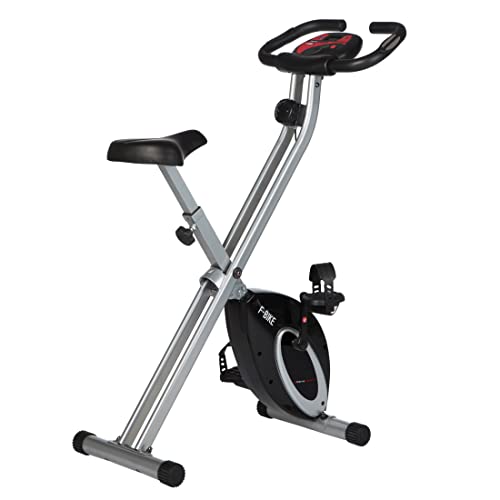
Utilizing an exercise bike includes different health and wellness advantages. Below are some of the most notable advantages:
-
Low Impact Workout: Exercise bikes provide a cardio workout that puts less tension on the joints compared to running or running. This makes them an excellent option for people recovering from injury or those with joint issues.
-
Enhanced Cardiovascular Health: Regular cycling can improve heart health by increasing cardiovascular endurance and lowering blood pressure.
-
Weight-loss: By burning calories efficiently, stationary bicycle home exercise can aid in weight-loss goals when combined with a balanced diet plan.
-
Muscle Toning: Riding an exercise bike can help tone and enhance the muscles in the legs, including the quadriceps, hamstrings, calves, and glutes.
-
Convenience: Exercise bikes are versatile and can be utilized in the convenience of one’s own home, making it much easier to include routine physical activity into everyday regimens.
-
Mental Health Benefits: Engaging in routine exercise, including cycling, can enhance mood, reduce stress, and enhance total mental well-being.
Table 1: Key Benefits of Exercise Bikes
| Benefit | Description |
|---|---|
| Low Impact | Mild on joints, suitable for those with injuries. |
| Cardiovascular Health | Boosts heart health and endurance. |
| Weight-loss | Aids in reliable calorie burning for weight management. |
| Muscle Toning | Enhances and tones leg muscles. |
| Convenience | Exercise can be done in the house, conserving time and effort. |
| Mental Health | Regular exercise equipment for legs supports boosted mood and lowered stress levels. |
Kinds Of Exercise Bikes
There are a number of types of stationary bicycle on the marketplace today, each developed to deal with various fitness levels and preferences. The following are the most typical types:
1. Upright Bikes
Upright bikes resemble conventional bicycles. Riders sit upright and can change the seat’s height to fit their needs. They are ideal for engaging core muscles and replicating outside biking.
2. Recumbent Bikes
Recumbent bikes include a bigger seat with back assistance and a more reclined position. This design is advantageous for those with back concerns or anyone seeking a more comfortable exercise.
3. Spin Bikes
Created for high-intensity biking workouts, spin bikes provide a tough experience. They normally have a much heavier flywheel for a smoother trip and adjustable resistance settings.
4. Air Bikes
Air bikes use a fan to create resistance; the more difficult the rider pedals, the harder the exercise becomes. This type of bike is excellent for interval training and overall body workouts.
5. Interactive Bikes
These bikes come equipped with screens and connectivity functions, allowing users to join live classes, track performance metrics, and replicate outdoor rides.
Table 2: Comparison of Bike Types
| Type | Description | Ideal For |
|---|---|---|
| Upright Bikes | Simulates a conventional bicycle posture | Core engagement, outside sim |
| Recumbent Bikes | Comfortable seating with back support | Joint problems, comfort hunters |
| Spin Bikes | High-intensity cycling with adjustable resistance | Extreme exercises |
| Air Bikes | Fan-based resistance for a challenging trip | Interval training |
| Interactive Bikes | Modern with live classes and tracking | Motivated users, tech-savvy people |
Finest Practices for Using an Exercise Bike
To optimize benefits and make sure safety while using an cycle exercise Home bike, consider the following finest practices:
-
Adjust the Bike Properly: Before beginning, adjust the seat height, seat position, and handlebars for optimal convenience and efficiency.
-
Keep Proper Form: Keep a directly back, engage your core, and prevent leaning too far forward to avoid stress or injury.
-
Warm-Up and Cool Down: Begin each session with a 5-10 minute warm-up to prepare your muscles and end with a cool off to reduce muscle fatigue and discomfort.
-
Set Realistic Goals: Begin with shorter exercises and gradually increase period and intensity to avoid burnout and injury.
-
Stay Hydrated: Keep a water bottle neighboring and take breaks to guarantee proper hydration throughout your exercise home cycle.
-
Include Variety: Mix in various workout styles (steady-state, interval training) to keep the regular interesting and challenging.
Often Asked Questions (FAQs)
1. How often should I utilize a stationary bicycle for ideal outcomes?
For basic fitness, aiming for 150 minutes of moderate-intensity exercise weekly is ideal. This can be divided into numerous sessions on the exercise bike, such as 30 minutes five times a week.
2. Can stationary bicycle assist with weight-loss?
Yes, exercise bikes can help in weight reduction when combined with a well balanced diet and regular exercise routine. They work for burning calories and improving cardiovascular health.
3. What is the difference between upright and recumbent bikes?
Upright bikes imitate a conventional bicycle posture and engage core muscles, while recumbent bikes offer back support and convenience, making them much easier on the joints.
4. Are stationary bicycle suitable for novices?
Absolutely! Stationary bicycle are flexible and can be adapted to match any fitness level, making them an excellent option for novices beginning their fitness journey.
5. How do I keep my stationary bicycle?
Regularly inspect the stress of the resistance system, tidy the bike to get rid of dust and sweat, and routinely examine for any wear or tear to ensure it remains in great working condition.
Exercise bikes offer a wealth of benefits, from cardiovascular endurance to weight reduction and improved muscle tone. With various types available, individuals can choose what best fits their fitness objectives and preferences. Adhering to finest practices can enhance the effectiveness and safety of exercises. As the fitness landscape continues to progress, stationary bicycle preserve their status as a staple in both home and industrial gym settings, promising rewarding exercises for users of all levels.