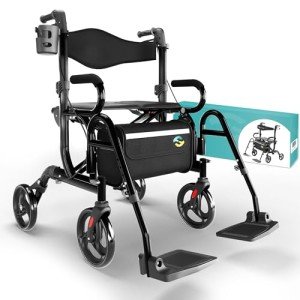
Brake Rollator Walker
Add a review FollowOverview
-
Founded Date May 1, 1966
-
Sectors AHP
-
Posted Jobs 0
-
Viewed 7
Company Description
You’ll Never Be Able To Figure Out This Safe Walker’s Benefits
The Importance of Safe Walkers: Ensuring Safety and Independence for All
As our population ages, the need for mobility assistance becomes progressively evident. Safe walkers, typically described as Walking Aid With Seat help or rollators, play a vital function in improving the security and independence of people, especially the elderly and those with disabilities. This article talks about the significance of safe walkers, their types, features to consider, and answers frequently asked questions about their usage.
Understanding Safe Walkers
A safe walker is a mobility device created to help people keep balance, stability, and confidence while walking. It provides support when traversing various terrains, using a much safer option to relying exclusively on canes or crutches.
Types of Safe Walkers
Safe walkers been available in different types, each customized to satisfy different needs. Here’s a table summing up the main kinds of walkers available in the market:
| Type of Walker | Description | Perfect For |
|---|---|---|
| Requirement Walker | Lightweight, standard structure, no wheels. | Users needing stability on flat surfaces. |
| Two-Wheeled Walker | Features two front wheels; back legs are rubber. | Individuals needing some mobility while still requiring support. |
| Four-Wheeled Heavy-Duty Walker (Rollator For Seniors) | Equipped with 2 or four wheels, brakes, and a seat. | Users looking for mobility and the choice to rest. |
| Walkers with Seat | Comparable to rollators but mainly planned for stability. | Those who might need regular rest stops. |
| Knee Walkers | Designed for individuals with leg injuries, permitting mobility while seated. | Perfect for post-surgery healing. |
Key Features of Safe Walkers
When choosing a safe walker, numerous features need to be thought about to make sure both security and convenience. Below is a list of necessary features to look for:
-
Weight Capacity: Choose a walker that accommodates the user’s weight to guarantee stability and security.
-
Height Adjustment: Ideal walkers must have adjustable heights to provide a comfortable grip for the user.
-
Wheels: Opt for walkers with suitable wheel sizes according to terrain; bigger wheels offer much better mobility on unequal surface areas.
-
Brakes: A good Best-Selling Walker should have easy to use brakes to ensure safety during use.
-
Foldability: A foldable design enables for easy transport and storage.
-
Storage Options: Many walkers featured baskets or trays for bring individual items, enhancing convenience.
-
Comfortable Grips: Ergonomic manages can prevent pain and improve control throughout usage.
-
Seat: If the walker includes a seat, it ought to be strong and comfortable for resting when needed.
Benefits of Using a Safe Walker
Safe walkers offer various benefits that extend beyond simple mobility. Here are some advantages:
-
Enhanced Stability: Walkers offer sturdy support, decreasing the risk of falls, which are common amongst seniors.
-
Improved Confidence: Using a walker can empower individuals to engage more actively in day-to-day activities, promoting self-reliance.
-
Exercise: Safe walkers motivate users to stay active, assisting keep strength, versatility, and coordination.
-
Social Inclusion: With increased mobility, people can take part more quickly in social events and leisure activities.
-
Personalization: Many walkers enable personalized modifications to meet specific health requirements.
Frequently Asked Questions (FAQs)
1. How do I know if a walker is right for me or my liked one?
Figuring out the suitable walker depends on a person’s mobility requirements, balance, and total health. Consulting a healthcare expert can provide individualized suggestions.
2. Is it essential to utilize a walker inside your home in addition to outdoors?
Yes, a walker can be beneficial both indoors and outdoors. It can improve stability on slippery floors or unequal outdoor courses, making it a flexible mobility aid.
3. Can I take my walker on public transport?
A lot of walkers are developed to be lightweight and Foldable Walker, making them appropriate for public transport. Talk to particular transportation services for their policies.
4. What is the typical expense of a safe walker?
Prices can vary based on the type and features. Requirement walkers can cost as low as ₤ 50, while more advanced rollators can go beyond ₤ 200.
5. How do I preserve my walker?
Regular maintenance includes looking for loose screws, guaranteeing wheels are practical, and cleaning it to remove dirt or particles. Regular checks will extend the life of the device.
The significance of safe walkers can not be downplayed. These mobility gadgets are crucial for keeping an independent way of life, boosting security, and instilling confidence in users. With multiple choices available, finding the best walker customized to private needs can considerably enhance the quality of life. Whether it’s for individual use or take care of a loved one, investing time in choosing the appropriate walker is a vital step towards guaranteeing safety and promoting an active way of life.