Fascia And Soffit Contractor
Add a review FollowOverview
-
Founded Date April 30, 1908
-
Sectors Doctors
-
Posted Jobs 0
-
Viewed 46
Company Description
You’ll Be Unable To Guess Soffit And Fascia Replacement’s Tricks
Soffit and Fascia Replacement: A Comprehensive Guide
When it concerns maintaining a home, numerous property owners concentrate on locations such as the roofing system, siding, and windows, typically overlooking the significance of soffit and fascia. These parts play a crucial role in securing the home from water damage, insects, and other ecological aspects. This article explores the significance of soffit and fascia, signs that suggest a need for replacement, and a step-by-step guide to replacing them.
Comprehending Soffit and Fascia
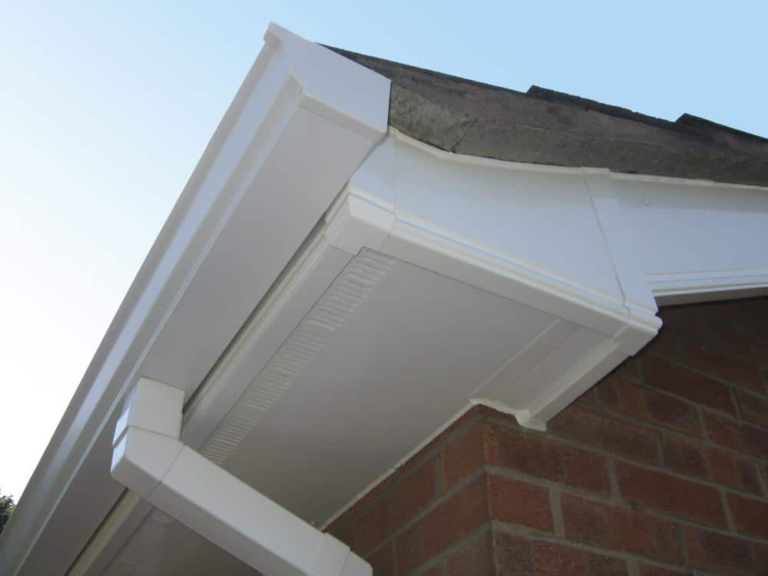
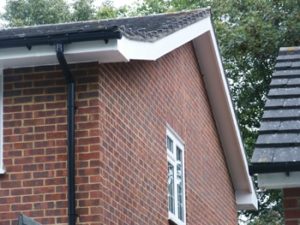
Soffit describes the underside of a roofing system overhang. It can be found beneath the eaves of your roofing system and is mostly responsible for ventilation and permitting air to distribute in the attic. Soffit also provides a finished want to the eaves of a house.
fascia Replacement, on the other hand, is the vertical board that runs along the edge of the roofing. It acts as a protective barrier for the roof’s wooden elements and supports the bottom row of roof tiles or shingles. Furthermore, fascia boards accommodate gutter systems that assist direct water away from the home’s structure.
Significance of Soffit and Fascia
- Ventilation: Proper ventilation aids in avoiding moisture accumulation in the attic, which can result in mold and rot.
- Security: These elements safeguard the roofing and underlying structures from water damage and bugs.
- Aesthetic Appeal: They improve the general appearance of a home, contributing to curb appeal.
- Gutter Support: Fascia boards hold up the gutters, making sure efficient water drain.
Indications That Soffit and Fascia Need Replacement
While soffit and fascia are developed to be durable, they can wear out with time. Homeowners must be alert for several signs that indicate the requirement for replacement:
- Peeling Paint: If paint on your soffit or fascia is peeling or bubbling, it may show water damage.
- Water Damage: Stains or watermarks on the ceiling or walls simply listed below the roofline can signify leaks in the soffit or fascia.
- Rot or Decay: Soft areas or places where the wood feels spongy recommend rot, often caused by prolonged direct exposure to wetness.
- Pests: Insects or rodents can go into through damages in these elements, signifying that they might need replacement.
- Noticeable Damage: Cracked, distorted, or missing pieces of soffit or fascia need to be dealt with immediately.
Actions for Soffit and Fascia Replacement
1. Collect Necessary Tools and Materials
Before embarking on the replacement process, gather the following tools and products:
- Ladder
- Safety goggles and gloves
- Determining tape
- Saw (circular or miter)
- Nail weapon or hammer
- Level
- Caulk and caulking weapon
- Replacement soffit and fascia materials (vinyl, aluminum, or wood)
2. Step and Cut
Accurate measurements are crucial for a proper fit:
- Measure the length and width of the fascia and soffit locations that need replacement.
- Cut the brand-new fascia boards to length, guaranteeing a tight fit versus the existing structure.
3. Eliminate Old Materials
Carefully remove the old soffit and fascia:
- Use a crowbar or crowbar to gently take out the old fascia boards, taking care not to harm the roof or surrounding areas.
- Remove soffit panels, ensuring you remove any nails or screws securing them in place.
4. Check for Damage
Before installing new parts, examine the location for any underlying damage. This may include:
- Rot in the rafters or roofing system sheathing
- Indications of mold or mildew
5. Install New Fascia and Soffit
- Begin by installing the fascia boards, securing them with a nail gun or hammer.
- Use a level to ensure the boards are lined up appropriately, guaranteeing a straight edge.
- Install soffit panels by fitting them into the designated spaces and securing them in location.
6. Caulk and Paint (if needed)
- Use caulk to seal joints or spaces, avoiding wetness from going into the home.
- If the picked material needs painting (such as wood), use a weather-resistant paint or finish to protect versus the aspects.
7. Tidy Up
As soon as the brand-new soffit and fascia are set up, clean up the area. Dispose of old materials responsibly, and make sure any tools utilized are stored away safely.
Maintenance Tips
Maintaining soffit and fascia can extend their lifespan. Here are some tips:
- Regularly examine for signs of wear or damage.
- Keep gutters clean and totally free of particles to prevent water overflow, which could damage soffit and fascia.
- Trim trees or shrubs that might enter contact with these areas, avoiding physical damage.
FAQs
What materials can be used for soffit and fascia replacements?
Typical products consist of wood, vinyl, aluminum, and fiber cement. Each material has its pros and cons in terms of cost, durability, and maintenance.
How often should soffit and fascia be changed?
The lifespan of soffit and fascia can vary based upon material and environmental factors. Typically, they should be inspected every 5 to ten years and replaced as necessary.
Can I replace soffit and fascia myself?
Yes, it is a DIY-friendly project, but it requires basic carpentry abilities and security preventative measures. Nevertheless, employing a professional may be a good idea if the task involves complex roof structures or if you’re unknown with the procedure.
What are the expenses associated with replacing soffit and fascia?
Costs vary based upon the product selected, labor rates, and the size of the location to be replaced. Typically, property owners can expect to spend anywhere from ₤ 1,000 to ₤ 3,000 for replacement.
Is it required to paint fascia boards?
If using wood fascia boards, it is necessary to paint them with a weather-resistant finish to safeguard against moisture and UV damage. Vinyl and aluminum generally do not need painting.
Soffit and fascia are integral parts of a home’s outside that secure versus ecological elements while improving its aesthetic appeal. By understanding their importance, recognizing signs of damage, and following the correct replacement procedure, property owners can ensure their home stays safe, practical, and visually appealing for several years to come. Routine maintenance and awareness can also prevent more considerable issues and expenses in the future.