

Köpa Körkortonline
Add a review FollowOverview
-
Founded Date November 20, 2018
-
Sectors Doctors
-
Posted Jobs 0
-
Viewed 40
Company Description
Beware Of This Common Mistake On Your Driving License Id-Handling 2025
The Future of Driving Licenses: ID Handling in 2025
As innovation continues to progress at an extraordinary rate, different sectors are accepting innovations to boost user experience and efficiency. Among the areas experiencing significant change is identity management, particularly concerning driving licenses. With the intro of digital licenses and advanced recognition approaches, the landscape of driving license ID handling is anticipated to go through significant changes by 2025. This article checks out the awaited developments in driving license ID handling, the implications for users, and answers frequently asked questions about the future of driving licenses.
The Evolution of Driving Licenses
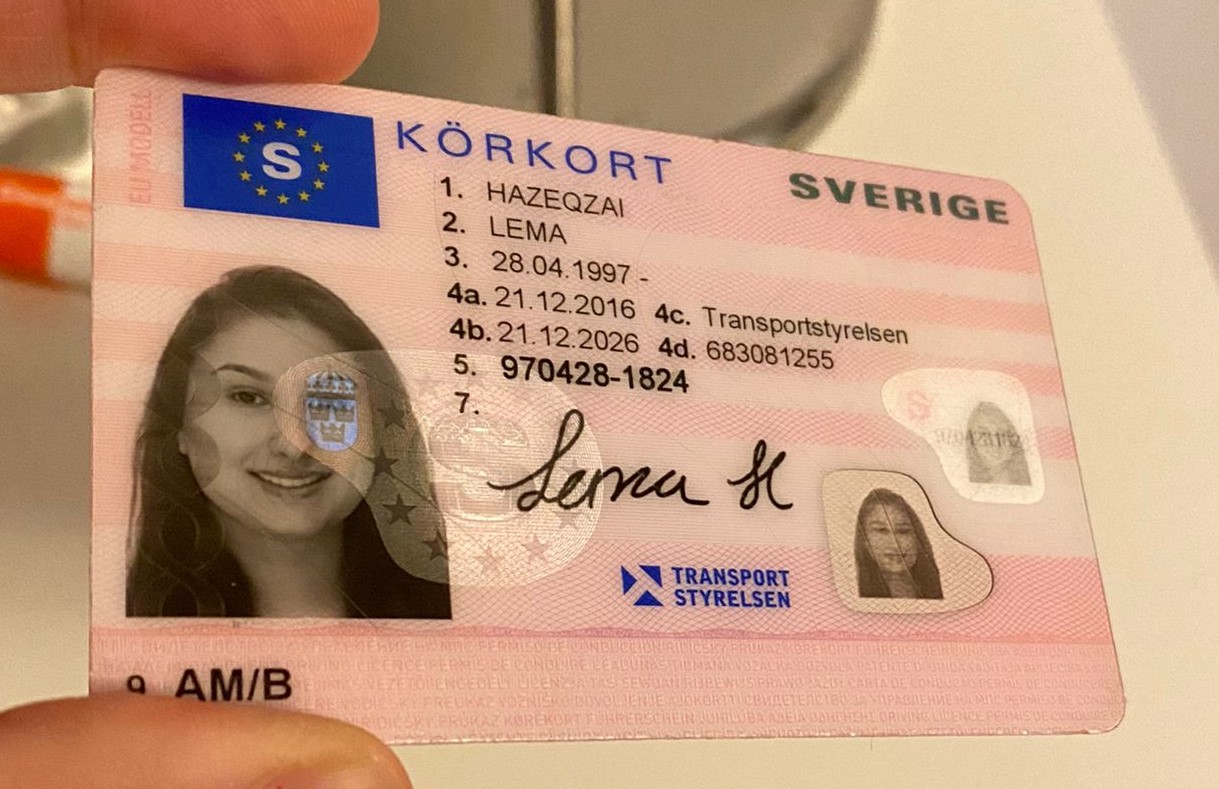
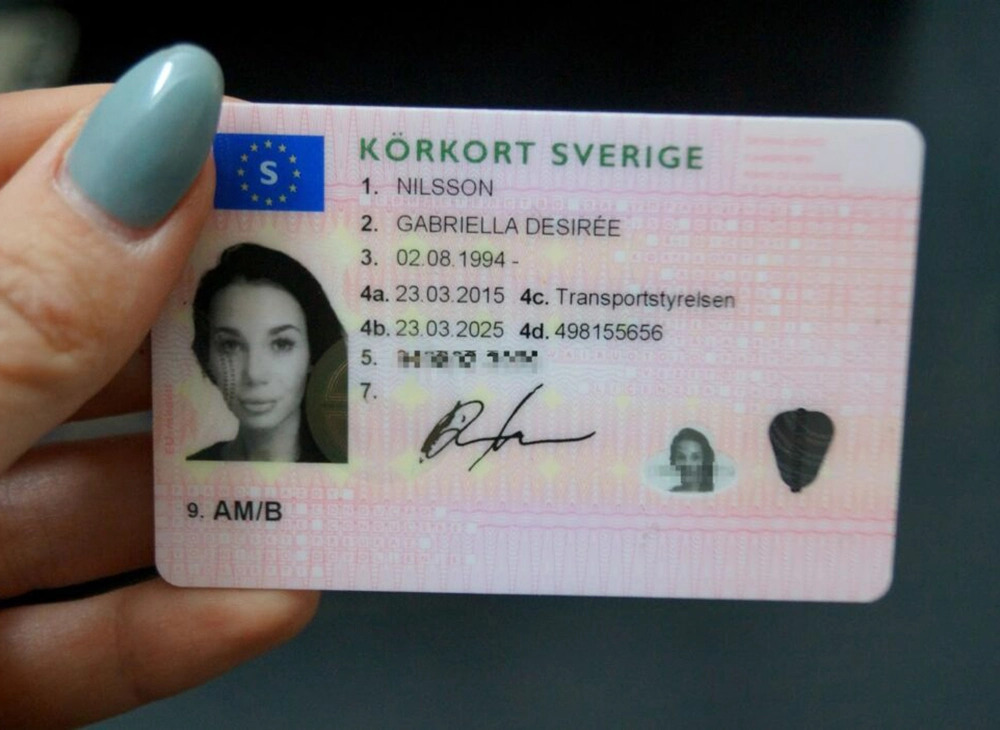
Driving licenses have traditionally acted as a method of recognizing a person’s authority to run a motor car. They likewise serve numerous secondary functions, consisting of age confirmation and identity confirmation for banking and travel. Nevertheless, the physical card system has limitations, including threats of counterfeiting, loss, and outdated details. As society gravely relies on effective and secure recognition systems, the transition towards digital licenses is becoming significantly popular.
Present Trends in Driving License ID Handling
-
Digital Licenses: Many states are piloting digital driving licenses that enable users to store their qualifications on their mobile phones. These digital licenses are designed with innovative security functions, including biometric information, and can be scanned or shared securely.
-
Blockchain Technology: Some jurisdictions are checking out blockchain to boost the security and credibility of driving licenses. This innovation ensures that info can not be damaged and that the information is easily proven.
-
Facial Recognition: Increasingly utilized in recognition practices, facial acknowledgment technology can expedite the procedure of validating a person’s identity against their driving license. This technology also helps lower scams and preserve the integrity of the licensing systems.
-
Multi-Functional Licenses: Future driving licenses might integrate extra functions such as health records, travel paperwork, and even payment systems, providing a thorough identity solution.
The Benefits of Digital Driving Licenses by 2025
The shift toward digital driving licenses presents a number of benefits, including:
-
Convenience: Users can access their licenses anytime, which removes the need for physical cards. This is especially useful when people forget their license, as digital copies can be retrieved rapidly.
-
Security: Advanced security procedures can reduce the threat of identity theft, fraud, and unauthorized duplication. Digital licenses often consist of encryption and biometric verification.
-
Effectiveness: Reduced wait times at government workplaces and during traffic stops, as police can verify digital licenses immediately.
Ramifications for Users
While the advancements in driving license ID dealing with present many benefits, they likewise include challenges. Users require to adapt to brand-new technology and ensure they comprehend the modifications and their implications. Here are some factors to consider:
-
Privacy Concerns: With increased digital footprints, there will be heightened issues over information privacy and how biometric data is stored and utilized.
-
Ease of access Issues: Individuals without access to smart devices or digital innovations may face barriers to acquiring and using digital licenses.
-
Regulative Compliance: With various jurisdictions adopting various systems and procedures, users need to understand their regional laws regarding digital licenses and recognition.
Prepared For Changes in Driving License ID Handling by 2025
| Element | Current Status | Anticipated Change by 2025 |
|---|---|---|
| License Format | Physical cards | Mainly digital licenses |
| Verification Process | Manual checks | Automated biometric confirmation |
| Security Measures | Fundamental holograms and functions | Advanced encryption and blockchain |
| Jurisdictional Differences | Fragmented processes across states | More standardized national systems |
| User Interaction | In-person renewals and checks | Mobile applications for management |
FAQs
1. What is a digital driving license?A digital driving license is an electronic variation of a conventional driving license that is stored on a mobile phone. It can be utilized for recognition and verification in numerous scenarios, with improved security features to avoid scams.
2. How will digital licenses boost security?Digital licenses utilize encryption and biometric information, making them more challenging to create or misuse compared to traditional cards. In addition, blockchain technology can guarantee data credibility and stability.
3. Will everyone be needed to change to a digital license?While numerous jurisdictions are approaching digital licenses, regulations might differ. Users are encouraged to check with their regional licensing authorities for specific standards.
4. What are the prospective drawbacks of digital licenses?Some prospective disadvantages include privacy concerns relating to information storage, availability problems for individuals without mobile phones or digital literacy, and the need for a robust regulatory structure to handle security and user rights.
5. How can I get ready for the shift to digital licenses?Stay informed about regional initiatives regarding digital licenses, check out available mobile applications for handling recognition, and cultivate digital literacy to navigate new innovations confidently.
The future of driving licenses and ID handling is poised for considerable advancement by 2025. As digital licenses end up being more widespread, users will experience improved security, Köp Taxi Körkort Online utan Examen benefit, and effectiveness. Nevertheless, alongside the benefits come challenges that will need public awareness and adjustment. Stakeholders should focus on education, regulation, and accessibility to make sure a smooth transition that empowers people with the recognition tools of the future. As technology advances, so too will the techniques through which society manages identity, especially vital in procedures as fundamental as running an automobile.