

Upvc Fascias
Add a review FollowOverview
-
Founded Date November 3, 1933
-
Sectors Nursing
-
Posted Jobs 0
-
Viewed 54
Company Description
5 Killer Quora Answers To Timber Fascias
Understanding Timber Fascias: Design, Benefits, and Maintenance
Timber fascias play an essential function in the architectural aesthetic appeals and structural integrity of a building. These horizontal boards installed at the edge of roofing eaves not only enhance the visual appeal of a structure however likewise serve practical functions necessary for its durability. This article dives into the significance of timber fascias, the material options available, and essential maintenance practices to guarantee they stand the test of time.
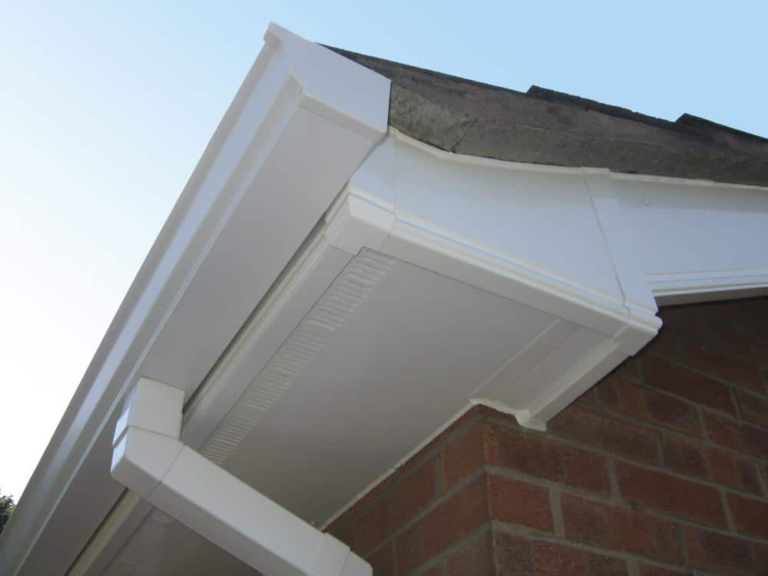
What is a Timber Fascia?
A timber fascia is a long, straight board that runs along the roofing system’s edge, generally underneath the overhanging edge of the roofing system. It prevails in both property and business structures and is typically painted or stained to match the total architectural design. By covering completions of rafters and providing an ended up seek to the roofline, timber fascias boost curb appeal while offering substantial functional advantages.
Key Functions of Timber Fascias:
-
Protection of Roof Structures: Timber fascias avoid wetness from getting in the roofing system, safeguarding rafters and underlayment from decay and rot.
-
Visual Appeal: The fascia board provides a decorative surface to the structure, connecting in with the total design theme.
-
Assistance for Gutters: Fascias provide an anchor point for gutter systems, ensuring the safe and efficient drainage of rainwater.
-
Vermin Deterrent: By covering the rafter ends, fascias help to keep animals from nesting in cavities that might form in the roofing system’s structure.
Material Options for Timber Fascias
When selecting materials for timber fascias, numerous options are available, each with unique advantages. Below is a breakdown of the most common materials utilized:
| Material | Advantages | Downsides |
|---|---|---|
| Softwood | Economical, light-weight | Prone to warping and decay if neglected |
| Hardwood | Durable, dense, and visually pleasing | More costly, much heavier to deal with |
| Engineered Wood | Resistant to wetness and bugs | Limited natural look compared to solid wood |
| Composite | Resilient and low maintenance | Can appear less genuine in design |
Advantages of Timber Fascias
Timber fascias supply many advantages that add to both performance and aesthetic appeals. Here are some of the primary benefits:
-
Aesthetic Versatility: Timber fascias can be stained, painted, or left natural to match a building’s style.
-
Sustainability: The use of properly sourced timber can add to sustainable structure practices.
-
Reduce of Installation: Timber fascias are fairly simple to install, making them a popular option amongst home builders and professionals.
-
Customization: Timber can be quickly shaped and cut to fit unique architectural styles.
-
Insulation Properties: Timber has natural insulation properties, assisting improve the energy effectiveness of a home.
Maintenance of Timber Fascias
While timber fascias are attractive and practical, they do require regular maintenance to make sure durability. Below are important maintenance pointers to keep them in prime condition:
-
Regular Inspection:
- Check for indications of decay, rot, or damage a minimum of twice a year, particularly after severe weather.
-
Cleaning up:
- Clean the fascias with a soft brush or cloth to remove dirt, gunk, and mildew. Avoid using extreme chemicals that can damage the surface.
-
Protective Coating:
- Reapply protective coverings, such as paint or stains, every couple of years to preserve appearance and secure wood from wetness.
-
Seal Cracks:
- Fill any fractures or spaces to prevent wetness ingress, which can cause wood degeneration.
-
Examine for Pests:
- Look for signs of pests, such as woodpecker holes or insect trails. Quickly resolve any issues to avoid structural damage.
Frequently Asked Questions About Timber Fascias
Q1: What wood species are commonly utilized for timber fascias?A1: Commonly utilized wood
species consist of pine, cedar, and redwood due to their resilience and appealing look. Q2: How typically do I need to preserve my timber fascias?A2: Regular assessments need to be done at least biannually, with cleansing and protective covering checks brought out every 1-3 years depending on the wood type and finish. Q3: Can I install timber fascias myself?A3: While experienced DIY enthusiasts might be able to set up timber fascias, it is advised to work with a professional for optimal results, especially concerning fitting and sealing. Q4: What surfaces are best for timber fascias?A4: Weather-resistant paints and stains that allow the wood to breathe are advised to secure against moisture and UV damage.Q5: Are timber fascias ecologically friendly?A5: When sourced from sustainably handled forests, timber fascias can be an environmentally friendly structure choice. Timber fascias are not just visual additions to your home’s architecture
; they are vital parts that secure important roof structures and boost overall appeal. Understanding the product options, advantages, and maintenance needs will direct house owners and
builders in making informed decisions. By investing time and care into timber fascias, one can guarantee their continued functionality and visual appeal for several years to come.